Bismuth-Tin Alloy: Properties, Applications, and Market Overview
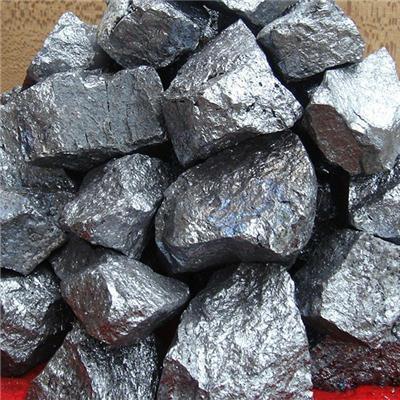
Bismuth-tin (Bi-Sn) alloy is a remarkable non-ferrous metal alloy that has garnered significant attention in metallurgy and materials science. Known for its low melting point, non-toxic nature, and versatile applications, this binary alloy is a staple in various industries, from electronics to biomedicine. In this article, we delve into the properties, applications, and market landscape of bismuth-tin alloy, highlighting its growing importance in the global non-ferrous alloy market, particularly in China as reflected in B2B platforms like World Factory Network.
Properties of Bismuth-Tin Alloy
Bismuth and tin form a simple eutectic system with a eutectic composition of approximately 58% bismuth and 42% tin by weight. The eutectic alloy melts at a relatively low temperature of about 138°C (280°F), making it ideal for low-temperature soldering and casting. Both bismuth and tin are non-toxic and environmentally friendly, in contrast to traditional lead-based solders. The alloy exhibits good wettability, mechanical strength, and thermal conductivity, although its brittleness increases with higher bismuth content. Additional properties can be tailored by adjusting the Bi-Sn ratio or adding trace elements like silver or copper.
Key Applications
- Low-Temperature Soldering: Bi-Sn alloys are widely used as lead-free solders in electronics assembly, especially for heat-sensitive components and step soldering processes. Their low melting point reduces thermal stress on substrates.
- Fusible Alloys: These alloys serve as safety devices in fire sprinklers, electrical fuses, and pressure relief valves due to their precise melting behavior.
- Casting and Rapid Prototyping: Bismuth-tin alloys are employed in low-melting casting for intricate molds, art castings, and 3D printing filaments.
- Thermal Management: In some thermal interface materials and phase change materials, Bi-Sn alloys help dissipate heat efficiently.
- Biomedical Applications: Research explores Bi-Sn alloys in biodegradable implants and radiation shielding owing to their biocompatibility and high atomic number of bismuth.
Market Overview and Sales
The global non-ferrous alloy market, including bismuth-tin alloys, is driven by the shift towards lead-free solutions and the miniaturization of electronics. China is a major producer and consumer of bismuth and tin, with numerous manufacturers listed on B2B platforms like World Factory Network (世界工厂网). These platforms facilitate domestic and international sales by providing product information, supplier directories, and trade services. Key factors influencing the market include raw material price volatility (bismuth and tin prices), environmental regulations (e.g., RoHS compliance), and technological advancements in soldering and casting. The demand for bismuth-tin alloy is expected to grow steadily, particularly in the electronics and automotive sectors.
In summary, bismuth-tin alloy is a versatile and sustainable material with a broad range of applications. As industries continue to seek eco-friendly alternatives, its market prominence is set to rise, supported by robust online platforms that connect suppliers and buyers worldwide.
如若转载,请注明出处:http://www.rqumd.com/product/3.html
更新时间:2026-10-28 23:33:41